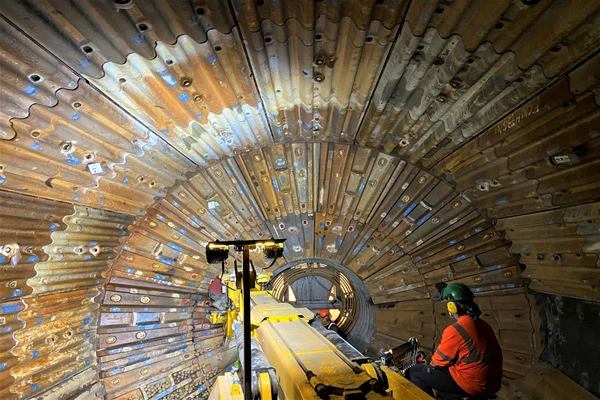
As an expert and leading manufacturer of grinding media, we pride ourselves on their performance and quality. Manufacturing is our craft - providing comprehensive technical service to our customers is the core of our ambition.
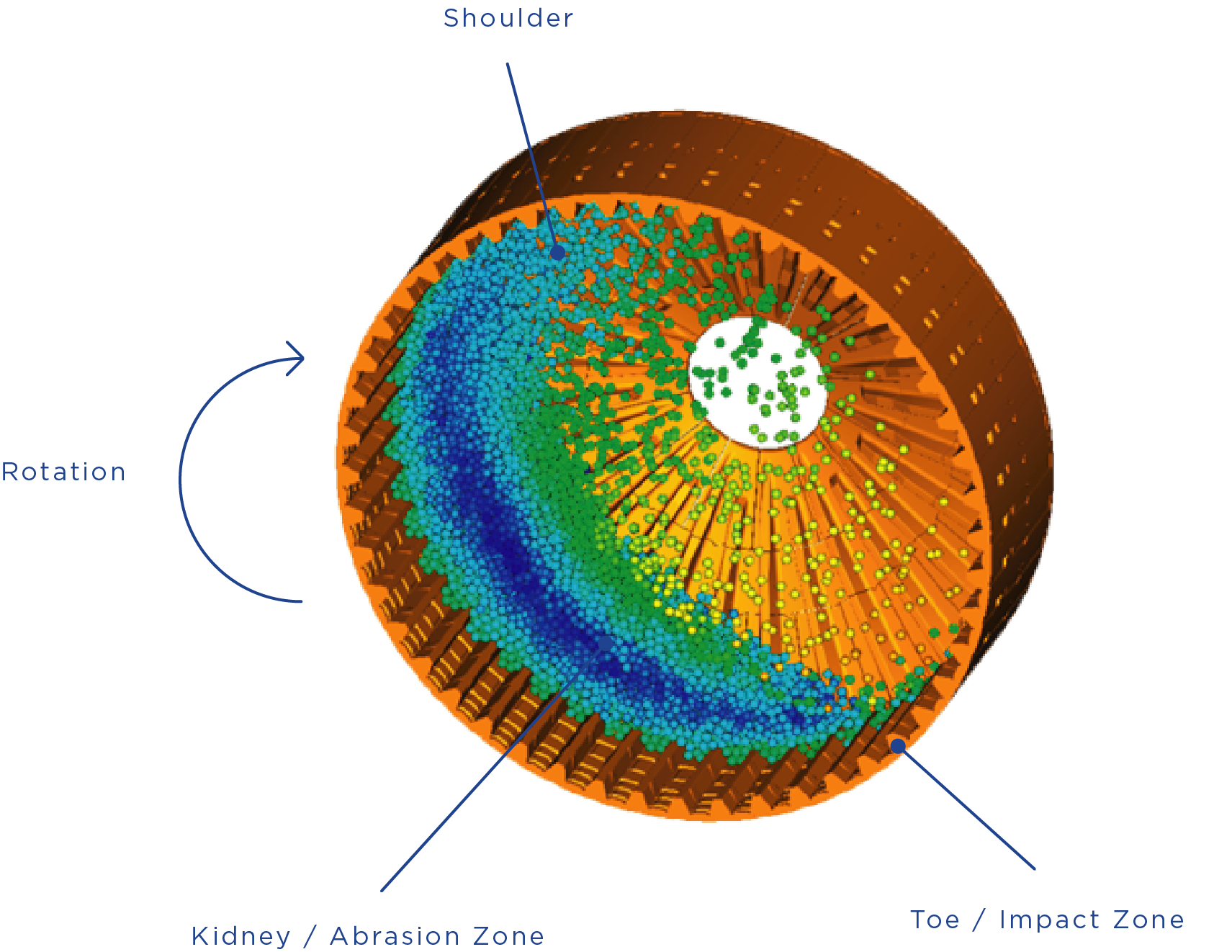
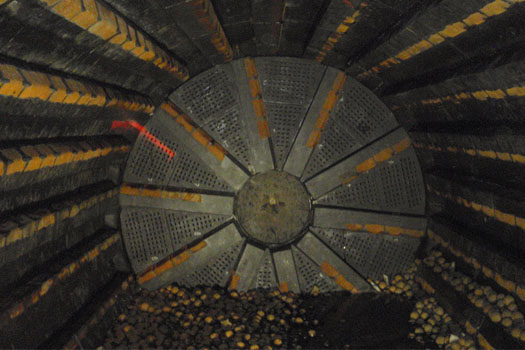
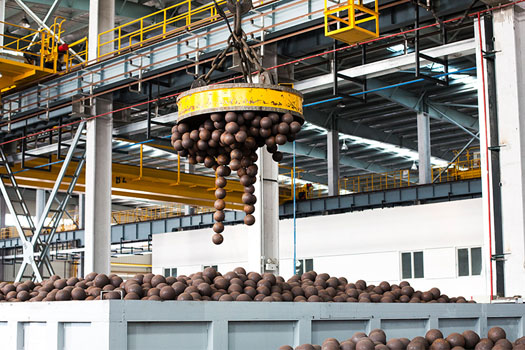
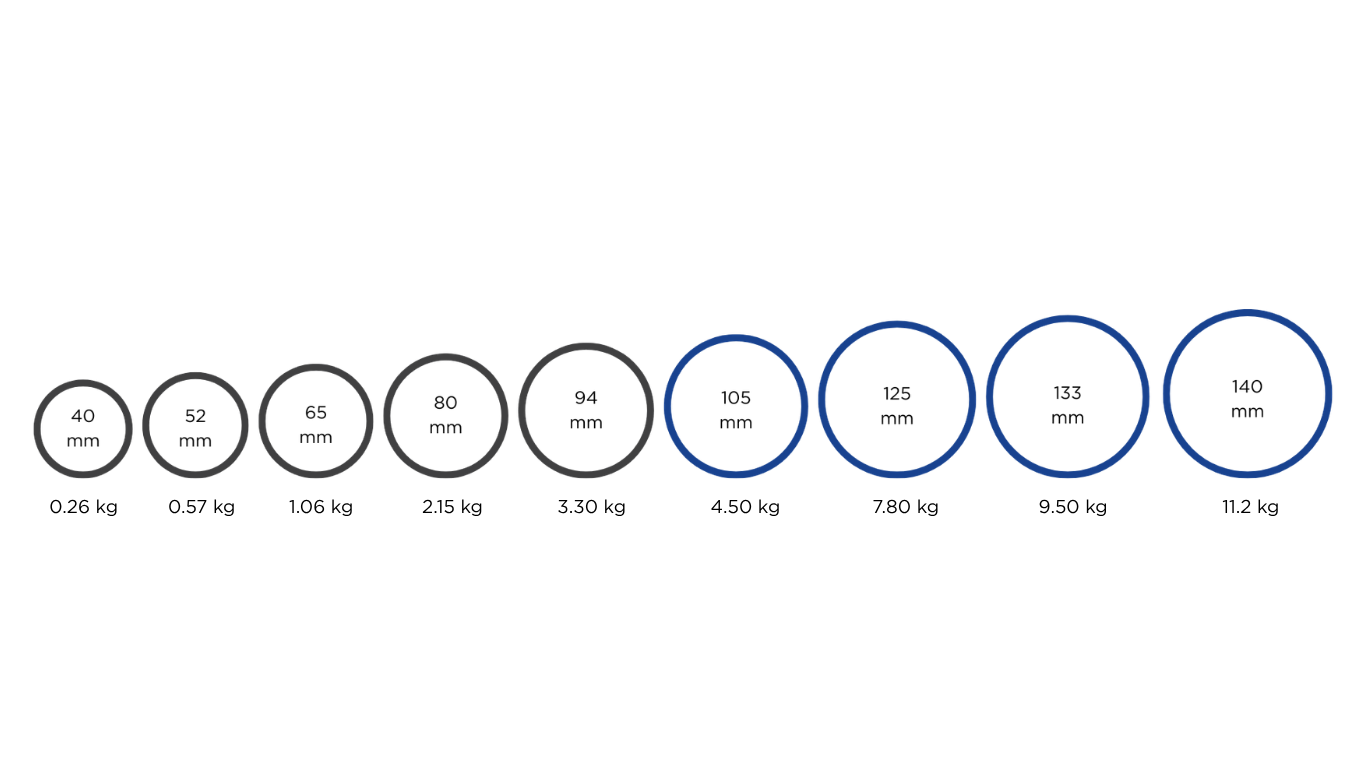
In ball milling applications, the diameter of the balls, mill and throw action of the charge provides a low-impact environment– hence maximum abrasion resistance of steel balls is the desired characteristic.
High carbon content and high hardness levels affect abrasion resistance in steel balls. Selection of alloy content and hardness is made after careful consideration of the customer’s mill operating conditions. Chemistry, hardness and ball size are interrelated.
For SAG milling applications, the diameter of the balls, mill and throw action of the charge provide for a high impact environment - therefore a balance must be achieved between abrasion resistance and impact resistance in SAG balls to avoid excessive breakage.
Selection of alloy content and hardness is made after careful consideration of the customer’s mill operating conditions - particularly the impact environment. For this reason SAG grinding balls undergo further heat treatment processes to ensure the impact performance capability.
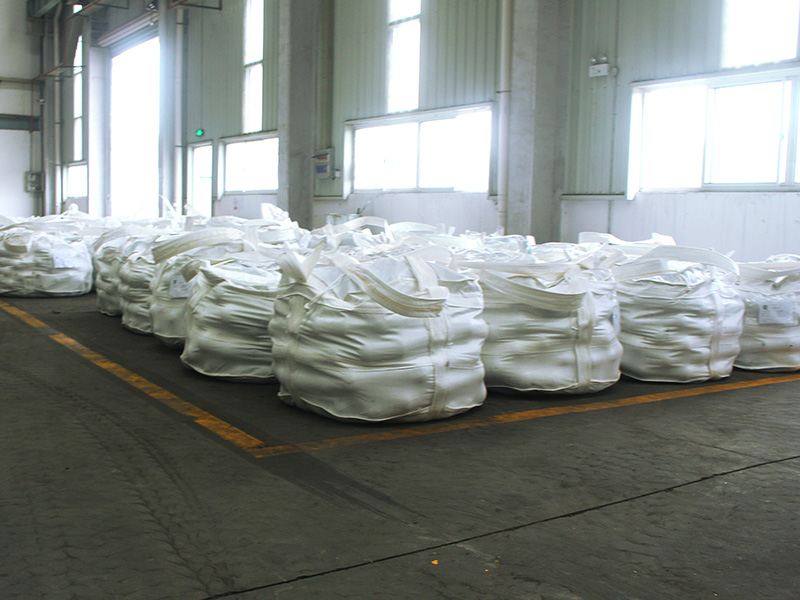
Balls can be provided in 1 or 2 tonne polypropylene bags fitted with secure lifting straps. Bags are strapped onto wooden 1m x 1m pallets for transport.
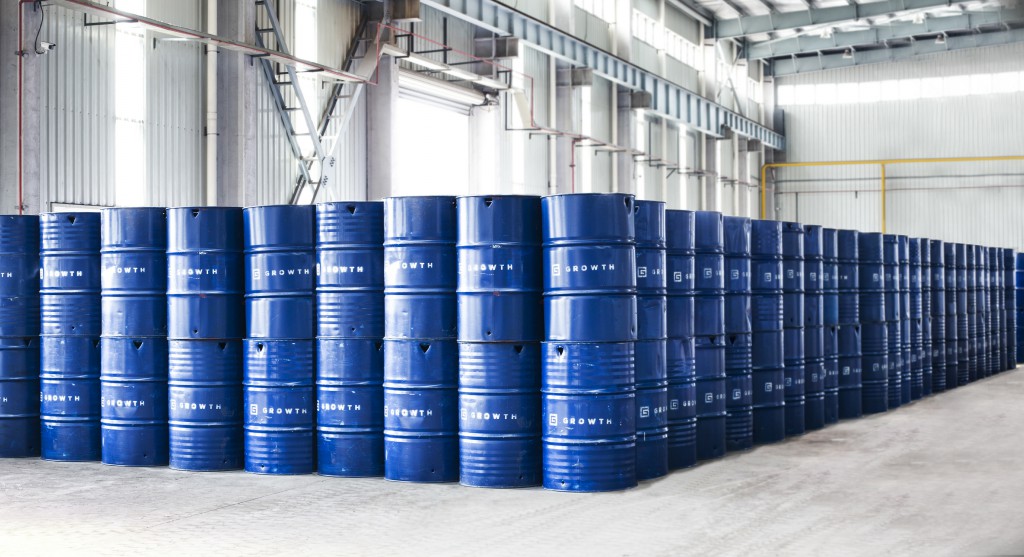
Balls can be provided in 200 litre steel drums, which can either be directly loaded onto truck trailers or secured via strapping onto wooden pallets.
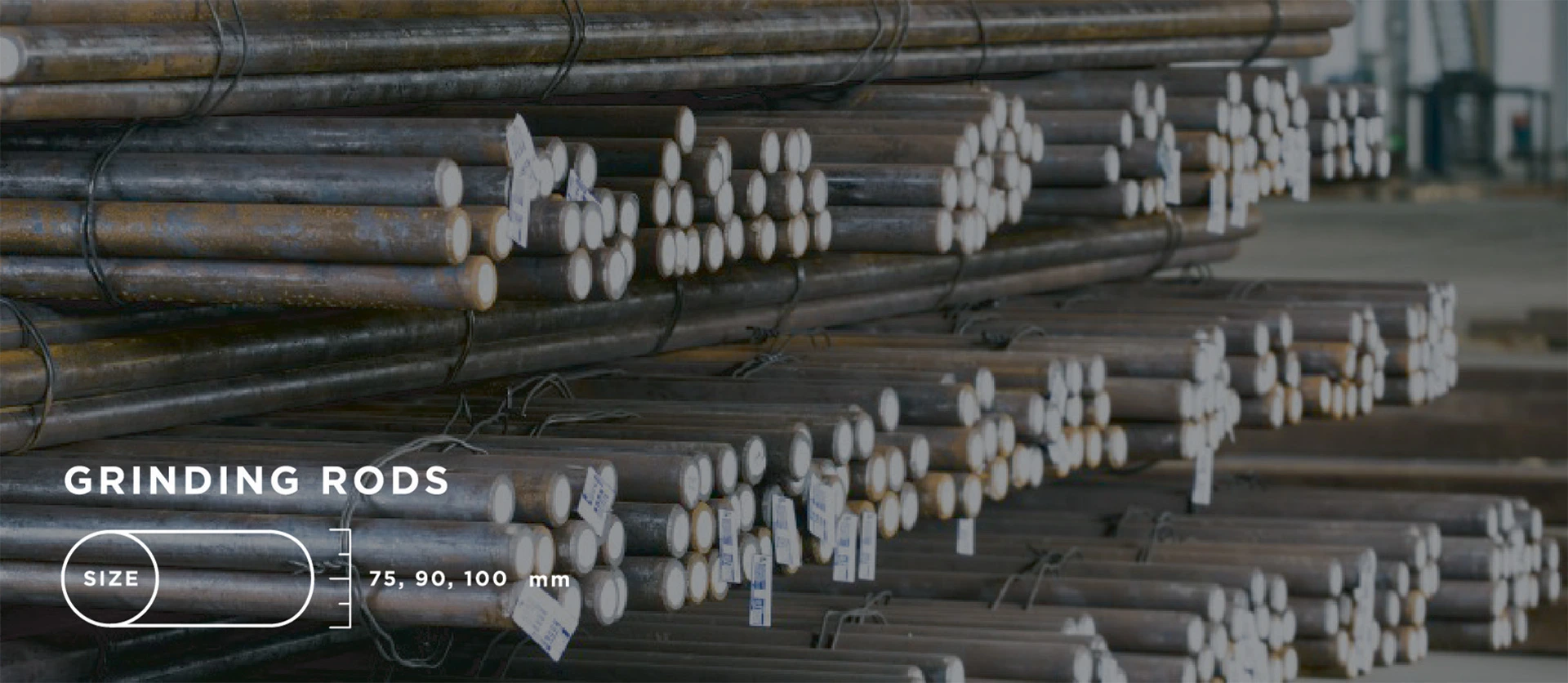
Media to media contact for rods mills is linear rather than point to point (as with balls) and are much heavier. The larger feed tends to separate rods at the feed end such that larger particles are preferentially abraded. This leads to a narrower size distribution and significantly less slime compared to ball mills.
Lower critical speeds of 50 - 65 % and coarser product size (i.e. 50 mm v < 15 mm) results in a lower impact environment but decreased abrasion resistance due to the feed size.
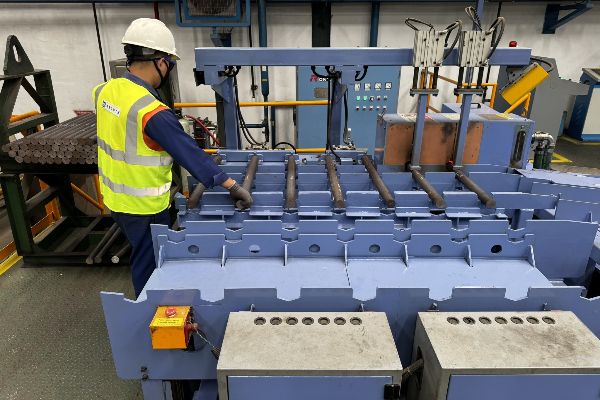
High carbon grinding rods are manufactured from specifically designed steel with varying alloy content to optimise the physical properties and performance of our grinding rods.
Growth high carbon grinding rods are produced with exacting tolerance of straightness and length.
Our grinding rods can be cut to any length and are supplied in strapped bundles with bundle weights or rod counts to suit customer requirements.
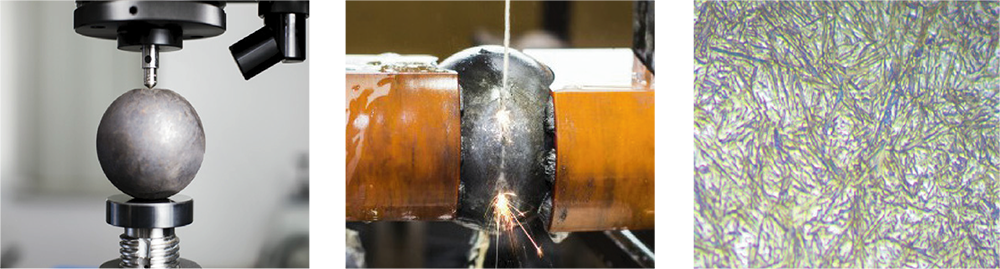
Due to the ever-changing nature of ore types and operating requirements at mine sites, there is a constant need to fine-tune operating conditions to maximize throughput and metal recovery from the resource.
Our balls are already made to maximise wear life and minimise cost. Let us assist you to further minimise consumption, maximize throughput and increase productivity and grinding efficiency with our technical support team.
Ensures a low wear rate for the specific operating conditions resulting in cost minimisation.
Improves productivity by optimising power usage, maximising throughput and ensuring the optimal surface area is provided to achieve the target grind size, resulting in increased revenue.
Optimising the charge motion to ensure grinding media is hitting the toe of the charge will result in the maximising of ore breakage rates and therefore mill throughput. Trajectory analysis also ensures grinding media is not being over thrown onto mill liners where the impact can lead to breakage of balls and liners therefore minimising operational cost.
Evaluating grinding media performance at full plant scale is a difficult task. Our technical staff can provide the expertise to carefully plan and design a trial process to provide the best opportunity to measure media performance.
Advice on the design of bulk ball handling, charging and storage - converting to bulk ball supply can provide significant savings, HSE, and environmental benefits.